
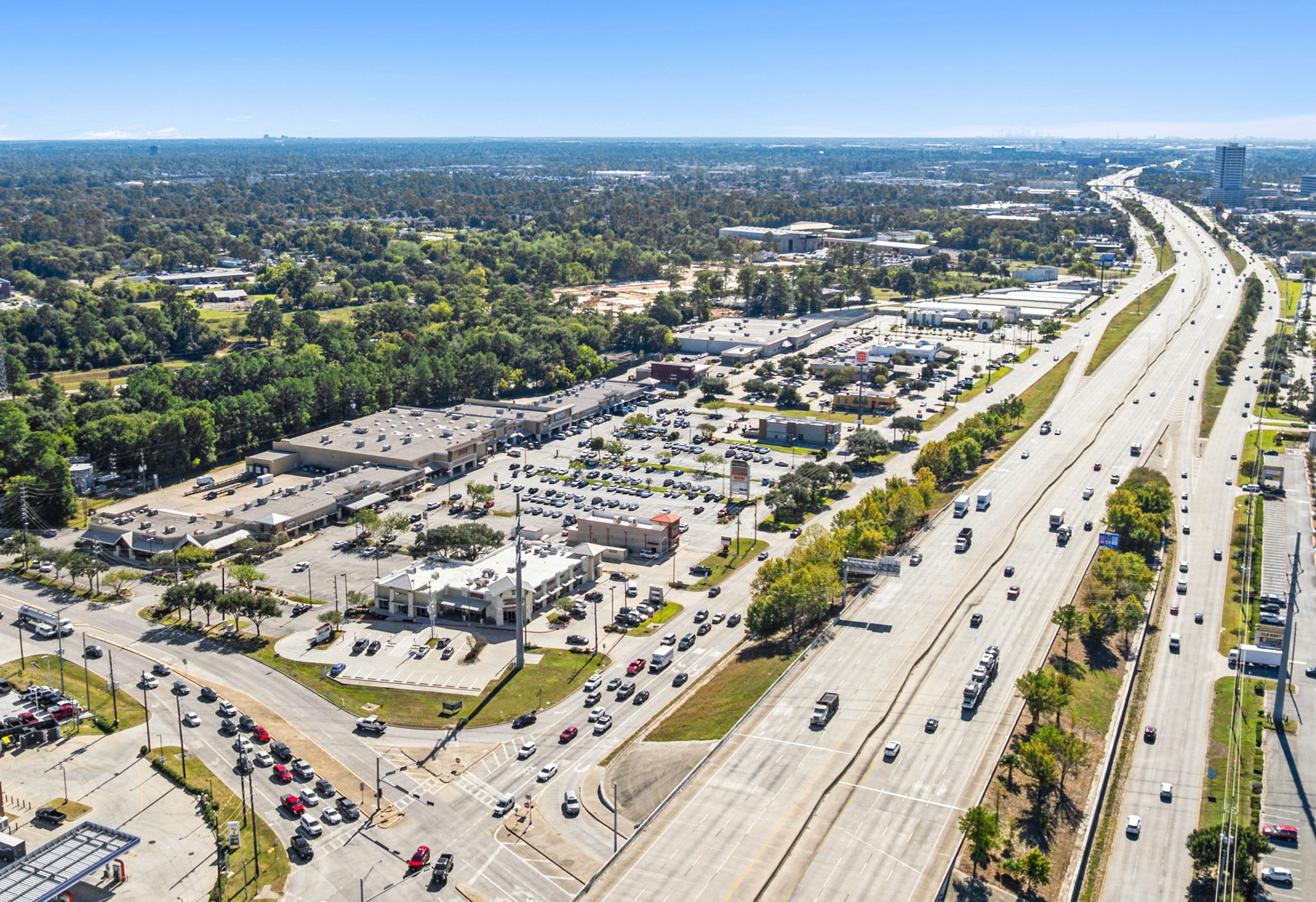
Location Overview
Spring's North Corridor and the Case for Synthetic Turf
Spring, Texas occupies a wide geographic range from established suburban neighborhoods near I-45 to the ranch-edge sections north of FM 1960 where properties grow into larger lots and more rural land-use patterns. The FM 1960 ranch corridor and Spring's northern zones share characteristics with the broader northwest Houston region — coastal prairie clay that holds water in wet periods, hot and dry stretches that push natural grass past recovery, and active outdoor use patterns that wear out natural turf faster than any irrigation program can compensate for.
Turf Installation of Cypress serves Spring with a planning process built around what properties in this area actually deal with. That means drainage gets planned before material goes down, not patched after installation reveals a problem. It means base preparation is adjusted for the compaction levels and clay content already present on the site. And it means scope documentation is produced in writing before any installation begins so property owners know exactly what they are getting, how the work will be sequenced, and what the finished surface is supposed to accomplish.
Spring spans enough geography that no single description covers every project. A conventional subdivision backyard near Spring Creek has different requirements than a ranch-edge acreage lot north of Louetta Road. Both deserve a site-specific approach rather than a standardized scope applied without modification.
What Spring Properties Typically Present
North Harris County clay behaves predictably in two ways that create problems for natural grass: it holds water in low spots after storm events, and it contracts into hard-packed cracked surfaces during extended dry spells. Spring properties near creek corridors — Spring Creek, Cypress Creek, and their tributaries — can have more pronounced drainage complexity because low-lying sections hold water longer than surrounding areas.
High-traffic zones on Spring properties are a consistent turf project driver. Side yards used as dog runs, backyard sections near outdoor living structures, front yard strips that receive concentrated foot traffic from school drop-off or parking patterns — these zones all develop compaction and wear that natural grass cannot recover from between seasons. Once St. Augustine loses ground in these areas, it rarely reestablishes without significant intervention and continued maintenance pressure.
For properties in the FM 1960 corridor with larger lot footprints, the question of scale matters. Covering a full half-acre or more of usable lawn with synthetic turf requires careful cut planning and seam placement to produce clean results. Turf Installation of Cypress approaches larger Spring projects with seam placement mapped in advance so the finished installation does not show awkward transitions or mismatched pile orientation.
Ranch-Edge Spring: North FM 1960 and Beyond
The stretch of Spring north of FM 1960 toward Tomball and into the Cy-Fair school district boundary has a different character than Spring's inner suburban sections. Lots run larger, setbacks are wider, and in some zones properties operate with private well and septic systems rather than municipal utility connections. These are the same conditions that define the Hockley acreage market — just reached from the east rather than the northwest.
Well-and-septic properties in north Spring require front-of-project planning that accounts for drain field locations before any base excavation begins. Mapping irrigation systems on private well properties is also important because well pump capacity may limit what zone coverage can be maintained alongside turf installations in adjacent areas. These are standard planning steps that Turf Installation of Cypress incorporates into every rural lot project, not surprises discovered mid-installation.
Properties in the north Spring corridor near Boudreaux Road, Kuykendahl Road, and the areas approaching Tomball have seen significant large-lot residential development alongside older ranch tracts. Both types of properties come to Turf Installation of Cypress for similar reasons — reduced maintenance burden, reliable green cover through drought periods, and high-traffic zone solutions that actually last beyond one growing season.
Residential Spring: Standard Scope on Established Lots
Much of Spring's residential market consists of established subdivisions where the challenge is not acreage or agricultural context but rather the cumulative wear of high-use yards that have outpaced natural grass's ability to keep up. Winding Creek, Lexington Woods, Louetta, and the neighborhoods along Cypresswood Drive represent properties where the outdoor use patterns — dogs, kids, backyard sports, outdoor kitchens — put demands on lawn areas that exceed what organic grass can handle without constant intervention.
For these properties, Turf Installation of Cypress focuses on drainage planning, edge finishing against established concrete and pavers, and turf system selection that matches the intended use. A backyard with multiple dogs needs a different infill selection and backing specification than a putting green installation or a front yard conversion. These distinctions matter for long-term performance and are addressed during the initial site review rather than treated as afterthoughts.
Pet-focused turf projects are common across Spring's residential market. The combination of large-breed dogs, expansive yards, and clay soil produces persistent muddy zones that require more than occasional reseeding to fix. Synthetic turf with appropriate drainage backing eliminates the mud problem and reduces the cleaning burden compared to managing bare dirt or patchy natural grass.
Putting Greens in Spring Properties
The range of golf-focused properties in Spring — from estate-scale lots with room for multi-hole practice layouts to standard backyard conversions — represents a meaningful segment of local turf projects. Synthetic putting green installations in Spring require the same drainage planning and base preparation discipline as yard conversions, with additional attention to contour shaping and cup placement layout that determines playability.
Turf Installation of Cypress approaches putting green projects in Spring by starting with site measurement and contour planning. The number of cups, the intended break angles, and any surrounding fringe or chipping zone specifications are documented in scope before material is ordered. Base preparation for putting greens uses a firmer compaction standard than residential lawn turf to achieve consistent ball roll. Edge finishing against surrounding hardscape or natural lawn requires clean transitions that hold over time.
Service Coordination for Spring Projects
Every Spring project begins with a site visit that maps existing conditions — drainage flow, soil compaction, irrigation infrastructure, existing hardscape edges, and any access constraints specific to the property. Scope is then documented in writing covering base work requirements, turf system specification, edge treatment, and sequencing plan.
Installation is scheduled around occupancy and access realities. School-year households in Spring often have morning routines that define which zones are available and when. Properties with dogs need work zone separation so animals are kept clear of active installation areas. Commercial-adjacent Spring properties near US-290 or I-45 have their own access windows and scheduling requirements.
Final walkthrough for every Spring project covers care guidance specific to the application type, drainage flow confirmation, and edge inspection. High-traffic zone inspection recommendations are provided so property owners know what to watch for in the first season of use.
Covering Spring and the Surrounding Region
From Spring, Turf Installation of Cypress serves the full northwest and north Houston service corridor: Cypress, Jersey Village, Tomball, Hockley, Waller, Katy, Brookshire, Pinehurst, Magnolia, Hempstead, Prairie View, and Northwest Houston. Spring's position along the I-45 and Hardy Toll Road corridors makes it a natural routing point for projects distributed across the north Harris County market.
Why Clients in Spring Choose This Approach
- Site-specific drainage planning for Spring's creek corridor clay-soil properties
- Ranch-edge acreage experience for north FM 1960 and Kuykendahl rural lots
- Well-and-septic property protocols including drain field mapping
- Pet-focused turf system selection for high-use backyard zones
- Putting green contour planning and base compaction standards
- Scope documentation in writing before any work begins
- Regional coverage across north and northwest Houston service area
Nearby Areas Coverage
Services Offered
Frequently Asked Questions
Do you serve north Spring ranch-edge properties near FM 1960?
Yes. We work on larger lot and acreage properties in the north Spring corridor including properties on well and septic. Drain field mapping and access staging are part of our standard planning process for those sites.
How is drainage handled on Spring creek-corridor properties with clay soil?
Low spots and drainage paths are mapped during site review. Base preparation is adjusted for clay content and compaction levels already present, and drainage routing is addressed in the installation plan before material placement begins.
Can you install turf for high-use dog zones in Spring backyards?
Yes. Pet-focused installations use turf systems with backing drainage and infill selected for odor management and high-use zone durability. We review expected dog count and zone size to specify the right system.
Do you design putting greens for Spring residential properties?
Yes. Putting green projects include contour planning, cup placement documentation, and base compaction standards specific to ball roll performance. Fringe and chipping zones can be added to the scope.
Can large Spring projects be phased across multiple zones?
Yes. Multi-zone projects can be split by area or by season to align with budget cycles, access constraints, or household scheduling priorities.