
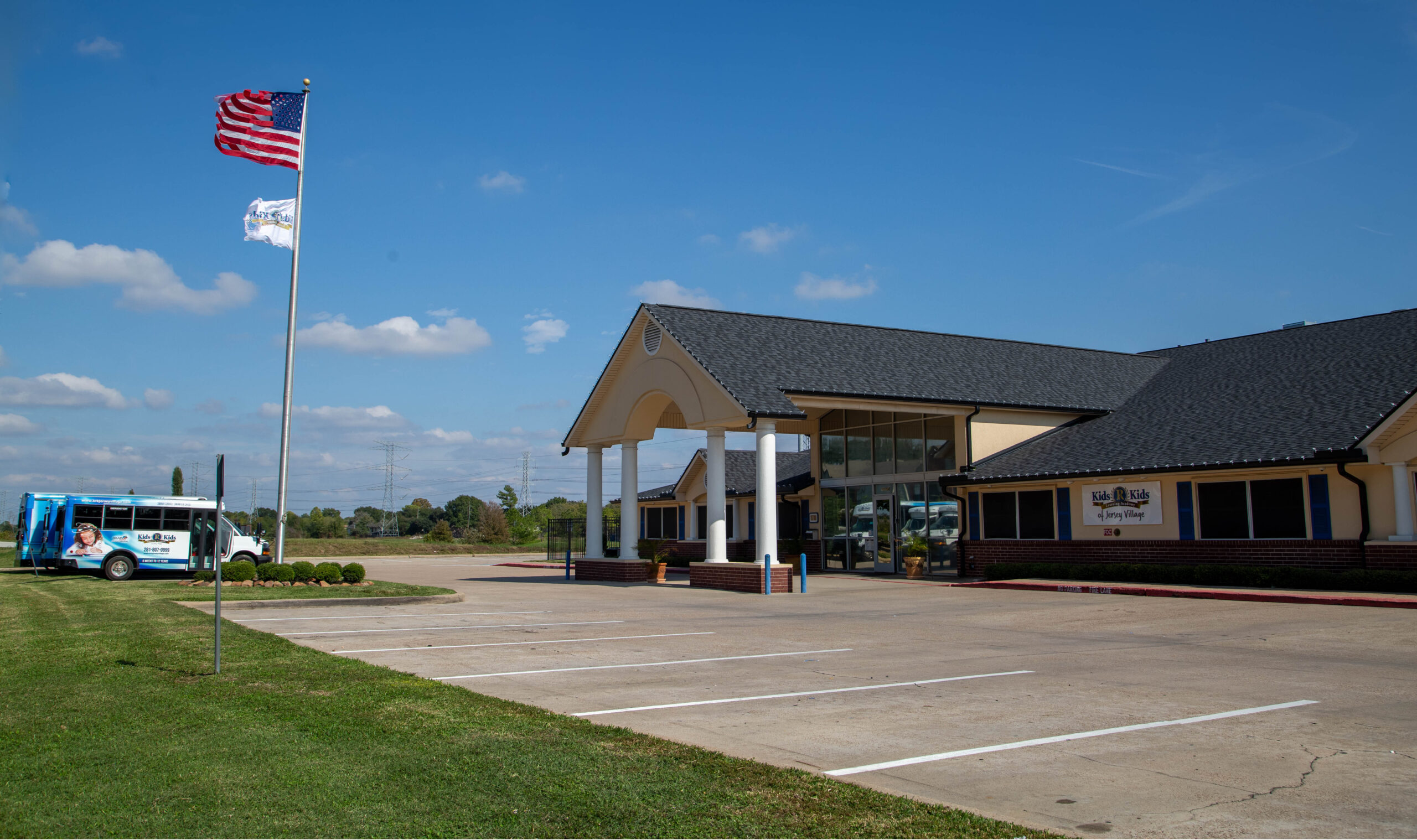
Location Overview
Jersey Village: High-Maintenance Estates and Practical Turf Solutions
Jersey Village occupies a distinct position in northwest Harris County — a small, incorporated city completely surrounded by Houston, with estate-scale residential lots that predate most of the suburban development surrounding it. Many properties here run one to three acres, carry significant tree canopy, and have lawn areas that have been managed with aggressive irrigation programs for decades. When those irrigation programs stop producing results and St. Augustine goes into decline, the answer is rarely "plant more grass." Property owners in Jersey Village who reach that point typically want a clean, permanent solution that does not demand constant input to look presentable.
Turf Installation of Cypress serves Jersey Village with the same attention to established-property conditions that ranch-edge acreage work demands on the northwest corridor. The site realities here differ from Cypress equestrian sections but require their own form of planning discipline. Mature tree roots alter soil drainage and create irregular surface grades. Long-standing irrigation systems may have zones that conflict with planned turf footprints. Heavy canopy produces shaded zones where synthetic turf outperforms natural grass by a wide margin. All of these conditions get reviewed at the front of every project, not discovered mid-installation.
What Jersey Village Lots Typically Present
The estate lots of Jersey Village carry decades of landscape decisions: established tree lines, mature foundation plantings, irrigation laterals laid in fixed patterns, and in some cases older drainage infrastructure that was sized for original site conditions. When a turf project goes into this environment, it has to work with — not against — what is already there.
Soil in Jersey Village lots tends to be a heavy clay loam that drains slowly even without significant slope. Areas under tree canopy can stay saturated longer after rain because root competition and canopy cover reduce evaporation rates. Base preparation for turf in these conditions needs to go deeper than a standard suburban installation, and drainage paths need to route water away from the building foundation and toward appropriate site outflows. Turf Installation of Cypress plans base work and drainage routing as a primary step, not an afterthought.
Irrigation system conflicts are common when retro-fitting turf into existing landscape. Heads that served former grass areas may need to be capped or relocated. Zones that served shrub beds often remain active and need to clear the turf footprint. Identifying these conflicts before turf goes down prevents the kind of post-installation problems that require pulling material up to fix a head that was mapped wrong.
Shade Tolerance and Canopy Properties
One of the practical advantages of synthetic turf that Jersey Village property owners mention consistently is shade performance. Natural grass thins out and disappears under dense canopy — a problem that gets worse as established trees grow larger. Turf maintains consistent appearance regardless of canopy density and does not require the reseeding cycles that shaded natural grass demands every season.
For properties with significant mature trees, turf scope planning also includes confirming root depth and surface grade before base excavation. Established oak and pecan root systems in this part of Harris County can run at varying depths depending on soil moisture patterns. Surface excavation that hits a major root unexpectedly changes installation sequencing and costs. A site walk-through that maps visible root intrusion points — at a minimum — avoids that surprise.
Installation Approach for Jersey Village
Turf Installation of Cypress approaches Jersey Village projects by starting with what the property already has: existing grades, drainage patterns, irrigation infrastructure, root systems, and the specific zones where turf will go. Scope is mapped to address the transition from existing conditions to finished turf surface, including base depth, drainage routing, edge finishing against established hardscape, and any irrigation conflicts that need resolution before material placement.
Installation sequencing on estate-scale properties is coordinated to minimize disruption to occupied residence areas. Work zones are defined and staged so neighboring landscape areas remain undamaged. Final handoff includes documentation of drainage flow direction, care guidance for the specific turf system installed, and notes on any ongoing irrigation coordination the property should maintain.
Jersey Village projects often have longer planning timelines than smaller suburban jobs simply because the site conditions require more review. That additional time at the front of the project produces better results on the back end — fewer adjustments during installation and a finished surface that performs the way it was planned to perform.
Regional Service from Jersey Village
From Jersey Village, Turf Installation of Cypress covers the full northwest Houston service range: Cypress, Tomball, Spring, Hockley, Waller, Katy, Brookshire, Pinehurst, Magnolia, Hempstead, Prairie View, and Northwest Houston. Jersey Village's location near the US-290 and Hwy 6 junction makes it a natural routing hub for projects distributed across the northwest corridor.
Why Clients in Jersey Village Choose This Approach
- Estate-lot planning experience for mature, established Jersey Village properties
- Drainage routing designed around heavy clay soil and established tree canopy
- Irrigation infrastructure conflict identification before turf placement begins
- Root system mapping for properties with significant mature tree coverage
- Scope documentation covering base work, drainage, edge finishing, and irrigation coordination
- Installation sequencing that respects occupied estate residence operations
- Coverage across northwest Houston from Jersey Village routing hub
Nearby Areas Coverage
Services Offered
Frequently Asked Questions
Do you work on established estate lots with mature trees in Jersey Village?
Yes. Mature tree properties require root system review and drainage planning around canopy-shaded zones. We incorporate those site conditions into planning before scope is finalized.
How do you handle irrigation conflicts on existing landscape lots?
Irrigation heads and zone layouts that conflict with the planned turf footprint are identified during site review and resolved before installation begins, not discovered mid-project.
Does synthetic turf work under heavy canopy?
Yes. Synthetic turf maintains consistent appearance in shaded zones where natural grass consistently fails. It removes the seasonal reseeding cycle that shaded natural grass requires.
Can projects be phased on large Jersey Village estate lots?
Yes. Multi-zone estate projects can be phased to align with budget, irrigation adjustment timelines, or seasonal scheduling priorities.
What drainage planning is required on clay-heavy Jersey Village lots?
Base preparation goes deeper on clay-heavy sites and drainage paths route water away from foundations toward appropriate site outflows. This is addressed at the front of every project plan.