
Location Overview
Brookshire: Waller County Acreage and I-10 Corridor
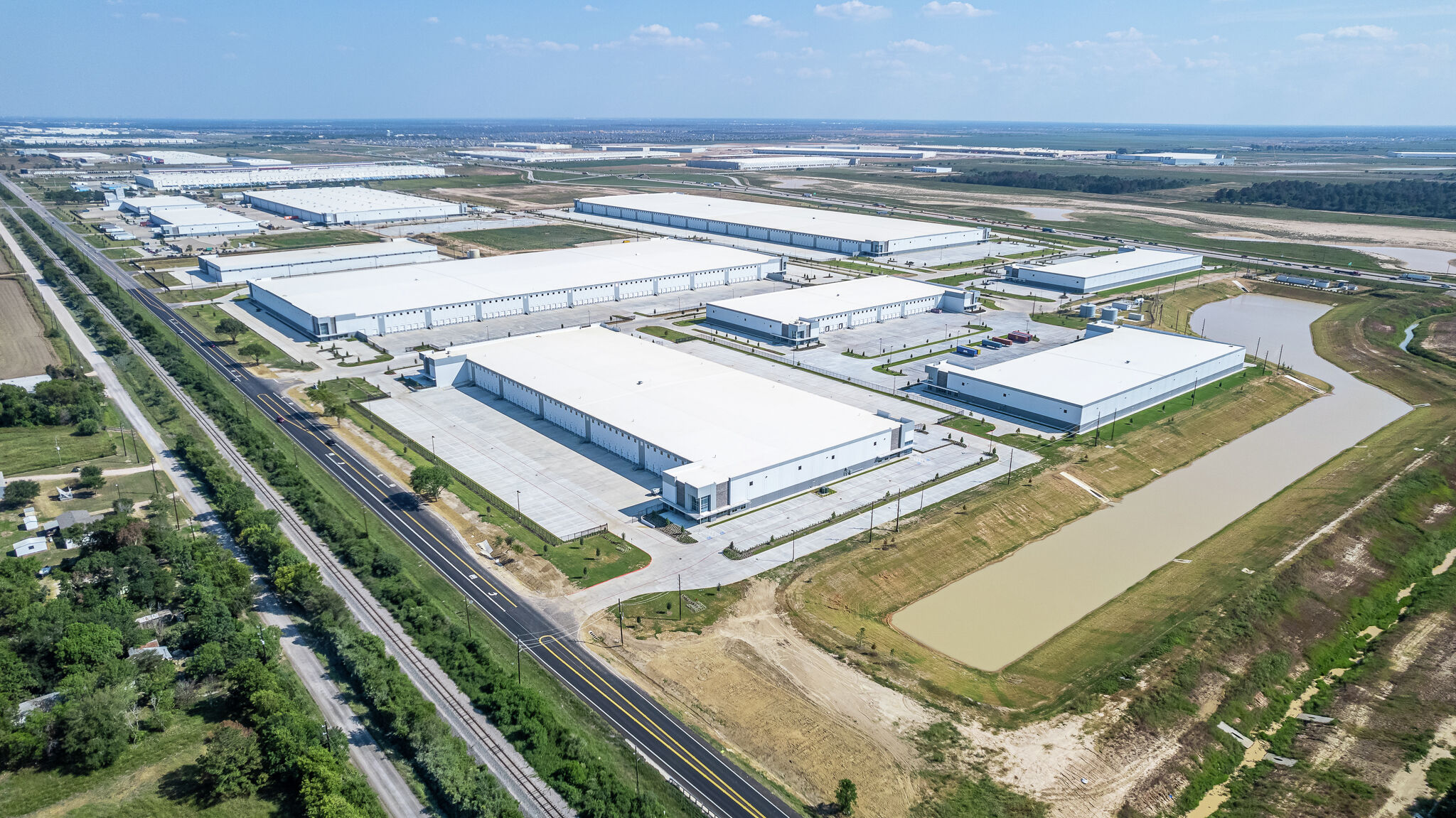
Brookshire, Texas occupies an interesting position in the northwest Houston service map — deep enough into Waller County to carry genuine rural acreage character, yet positioned on the I-10 corridor with commercial infrastructure and distribution activity that gives it a mixed land-use profile unusual for its distance from central Houston. Residential properties in and around Brookshire tend toward larger lots with agricultural or ranch history, while the commercial corridor along I-10 includes industrial properties, warehousing operations, and retail support businesses.
Turf Installation of Cypress serves both segments of the Brookshire market with planning approaches calibrated for each context. Rural acreage projects get ranch-edge planning — drain field mapping, agricultural application material selection, large-lot staging coordination. Commercial I-10 corridor projects get commercial-specification turf with scheduling coordination around operating hours and tenant activity.
What all Brookshire projects share is the heavy clay prairie soil characteristic of Waller County, which demands drainage-conscious base preparation that goes deeper and addresses water routing more explicitly than suburban Harris County clay requires. Turf installed on Brookshire clay without adequate drainage planning will develop water retention problems within the first rainy season.
Waller County Clay: What Installation Requires
The clay-dominant soil across Brookshire and the surrounding Waller County lowland zones holds surface moisture longer than virtually any other soil type in the northwest Houston region. After a series of heavy thunderstorm events — which the I-10 corridor between Houston and San Antonio experiences regularly during spring and early summer — poorly drained sites can hold standing water for days.
For turf installations on Brookshire properties, base preparation begins with drainage routing assessment. Low spots on the site are identified, existing drainage infrastructure is mapped, and the finished turf base is graded to route water toward defined exit paths rather than allowing it to pond under the turf backing. Where natural site drainage is insufficient, catch basins, French drain laterals, or perforated pipe systems may need to be incorporated into the base design before turf placement begins.
Base depth on Brookshire projects is generally deeper than comparable projects on sandy or loam soil sites. Heavy clay requires adequate aggregate depth to provide a stable base that does not shift seasonally with moisture expansion and contraction. Turf Installation of Cypress specifies base depth based on measured conditions at each Brookshire site rather than applying a regional average that may not fit the specific clay profile present.
Rural Residential Brookshire: Large Lot Applications
The residential acreage properties surrounding Brookshire — along FM 359, Kenney Road, and the rural sections off I-10 — represent properties that share characteristics with the Hockley and Waller acreage market. Large lot footprints, private well and septic systems, livestock or agricultural history, and outdoor use patterns that include horses, working dogs, and farm equipment distinguish these properties from suburban Houston lots.
For Brookshire acreage homeowners, turf project applications typically focus on specific problem zones rather than broad ornamental coverage: the muddy barn approach, the deteriorated ranch residence front yard, the paddock perimeter strip beaten bare by livestock traffic, the equipment parking area that turns to a drainage disaster in wet periods. Each application requires its own spec review and base planning.
Turf Installation of Cypress approaches Brookshire acreage projects with the same mandatory first steps used in Hockley and Waller: drain field location before excavation, well system review for irrigation conflicts, access route planning for long-driveway lots, and material specification matched to the actual use of each zone being covered.
Commercial Corridor Applications on I-10
The I-10 commercial corridor through Brookshire — from the retail nodes near Highway 90 to the industrial and distribution properties further west — generates turf projects that look quite different from rural residential work. Tenant-facing commercial properties want consistent, maintained-appearance green space near building entrances and parking areas without the mowing and irrigation maintenance that organic grass requires. Industrial properties want durable ground cover in zones adjacent to loading areas, equipment staging, and employee access points.
For commercial Brookshire I-10 corridor projects, Turf Installation of Cypress specifies turf systems appropriate to foot traffic levels and use intensity. Building entrance areas with moderate pedestrian traffic get a different specification than equipment staging perimeter areas or loading dock surrounds where occasional heavy equipment contact occurs. Commercial project scheduling is coordinated around operating hours to minimize disruption to tenant activity and customer access.
Staging Coordination for Remote Brookshire Sites
Brookshire properties — both rural residential and industrial corridor — often have staging challenges that suburban projects do not. Material delivery distances are longer. Access routes to rural properties may require confirmation of gate codes, bridge weight ratings, or clearance heights before delivery day. Industrial corridor projects may have security access requirements and restricted hours for material delivery and crew arrival.
Turf Installation of Cypress reviews all access and staging logistics for Brookshire projects during the initial site visit and planning phase. Material delivery windows, crew access requirements, and site setup procedures are confirmed in writing before installation begins. This is particularly important for rural properties where access complications on the first morning of a project create scheduling problems across multiple days of work.
Service Coverage from Brookshire
From Brookshire, Turf Installation of Cypress covers the full northwest Houston and Waller County service corridor: Cypress, Jersey Village, Tomball, Spring, Hockley, Waller, Katy, Pinehurst, Magnolia, Hempstead, Prairie View, and Northwest Houston. Brookshire's I-10 position provides routing access to both the Harris County suburban market and the deeper Waller County agricultural zone.
Why Clients in Brookshire Choose This Approach
- Waller County heavy clay drainage planning with defined exit routing for every project
- Rural acreage protocols: drain field mapping, livestock zone access, large-lot staging
- Commercial I-10 corridor turf with operating-hours scheduling coordination
- Application-specific material selection for barn approaches, paddock perimeters, and commercial entry zones
- Deep base specifications calibrated for Brookshire clay profile conditions
- Remote site staging and delivery logistics planning before installation day
- Full Waller County and northwest Houston service reach from Brookshire routing
Nearby Areas Coverage
Services Offered
Frequently Asked Questions
How does base preparation differ on Brookshire's heavy Waller County clay?
Base depth is specified for the clay profile measured at each site, not averaged from regional assumptions. Drainage routing is mapped to a defined exit path before base material is placed, since standing water is a persistent risk on heavy clay sites in the I-10 corridor.
Do you serve rural acreage properties on FM 359 and Kenney Road near Brookshire?
Yes. Rural Brookshire acreage projects follow the same planning protocols as Hockley and Waller ranch properties: drain field mapping, well system review, livestock zone access planning, and application-specific material specification.
Can you handle commercial turf projects on the I-10 corridor near Brookshire?
Yes. Commercial I-10 corridor projects are scoped with commercial-grade turf systems and scheduling coordinated around operating hours and tenant access requirements.
How is staging handled for remote Brookshire rural properties?
Access route logistics, gate codes, delivery clearances, and crew arrival windows are confirmed in writing during planning before installation begins — not discovered on the first morning of the project.
Can Brookshire projects be phased across multiple application zones?
Yes. Multi-zone projects on Brookshire acreage properties can be phased by area or season to align with budget, access, and seasonal soil condition considerations.