
Location Overview
Prairie View and the Waller County Turf Context
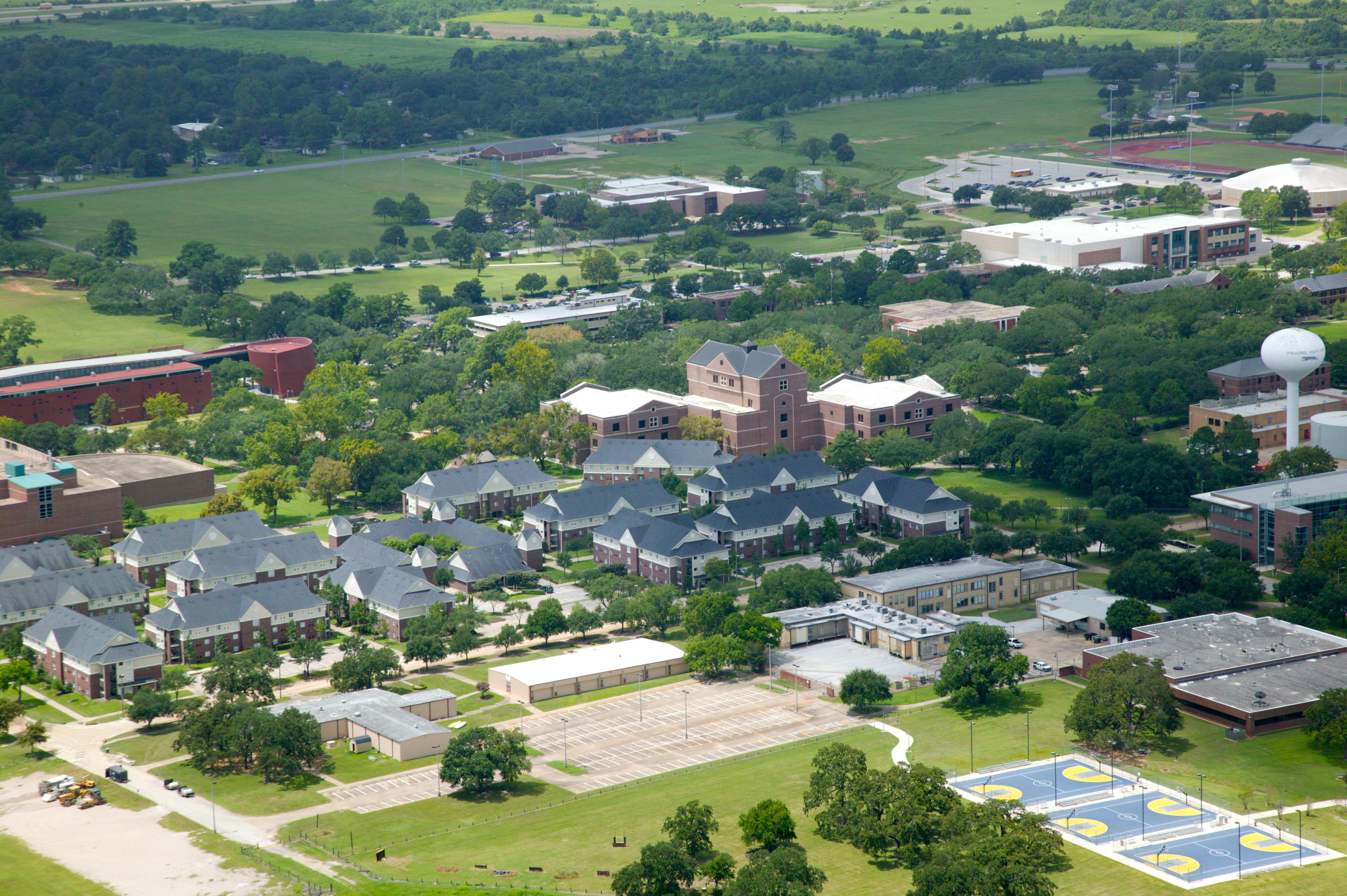
Prairie View, Texas anchors the southern edge of Waller County’s residential landscape, sitting between the Cypress-Hockley suburban edge to the southeast and the deeper agricultural country of Hempstead to the northwest. The community’s character is shaped in part by Prairie View A&M University — a significant institutional presence that brings both residential neighborhoods with active outdoor use patterns and commercial-adjacent properties that serve the campus community. Beyond the immediate Prairie View area, the rural acreage lots along FM 1098, FM 1488, and the county roads feeding off US-290 represent the same working-rural property profile found throughout the Waller County market.
Turf Installation of Cypress serves Prairie View with the same drainage-first planning orientation applied across the Waller County service zone. Blackland and coastal prairie clay, working outdoor use patterns, and properties on private well and septic infrastructure define the baseline conditions here. Natural grass in these conditions succeeds only with constant maintenance input — and even then, high-traffic zones at gate entries, barn approaches, and active outdoor activity areas fail faster than organic grass can recover.
Clay Soil and Drainage: Prairie View Specifics
Prairie View sits on the transitional zone between the blackland prairie clay of deeper Waller County and the coastal prairie clay that dominates Harris County. The specific clay composition encountered at individual Prairie View properties varies by location, but the practical implication is consistent: slow drainage, high shrink-swell activity, and a seasonal saturation-to-cracking cycle that creates persistent problems for natural grass and for improperly prepared synthetic turf bases.
For Prairie View projects, Turf Installation of Cypress evaluates soil profile during site assessment rather than assuming a standard clay specification. Base depth, compaction standard, and drainage aggregate selection are adjusted based on what the specific site soil presents. Properties closer to the US-290 corridor tend toward heavier blackland clay profiles; properties south toward the Harris County line encounter the more familiar coastal prairie clay. Both require drainage-conscious base work, but the specific approach differs.
Surface drainage routing is planned as a primary step for Prairie View properties. Finished surface water needs defined outflows — existing drainage infrastructure on improved properties, grade-based routing on acreage lots, or engineered solutions on flat properties with no natural slope. Prairie View properties with blocked or unclear drainage paths get surface drainage mapping resolved in scope documentation before any base material is placed.
Prairie View A&M Zone: Residential and Commercial Applications
The residential neighborhoods adjacent to Prairie View A&M have active household use patterns driven by families associated with the university — kids, dogs, outdoor entertaining, and the year-round outdoor activity schedule that characterizes Houston-area family life. These properties deal with standard Harris-Waller border clay drainage challenges alongside the specific high-traffic wear of active household use.
For residential Prairie View projects near the university zone, Turf Installation of Cypress applies the same site-specific planning used across the northwest corridor: drainage mapping, irrigation conflict identification, edge finishing against existing hardscape, and turf system selection matched to the intended use. Pet applications, recreation yard conversions, and front-yard maintenance reductions are all common project types in this residential segment.
Commercial properties in the Prairie View A&M corridor — student-adjacent retail, service businesses, and institutional-adjacent commercial operations — occasionally need turf for commercial landscaping zones, parking area perimeters, or outdoor activity areas. These commercial applications receive drainage-priority base work and commercial-specification turf systems designed for the heavier foot traffic that commercial zones experience relative to residential applications.
Rural Acreage Properties Around Prairie View
Beyond the immediate Prairie View community, the rural acreage lots on FM 1098, the county roads north toward Hempstead, and the properties off SH 290 west of Prairie View represent the same agricultural-adjacent land-use pattern as the Waller and Hockley markets. These properties operate on private well and septic, run one to ten acres, and have working outdoor use patterns that may include livestock, horses, or agricultural equipment that concentrates wear in specific zones.
For rural Prairie View acreage projects, the front-of-project planning steps are the same as any well-and-septic rural acreage project in the service area: drain field mapping before excavation, access route review for staging on properties with long setbacks, and zone-by-zone material specification that distinguishes ornamental yard applications from working-use functional applications.
Equestrian properties in the Prairie View rural zone share the same paddock entry, barn approach, and round-pen footing application patterns as the Hockley and Waller equestrian market. Heavier backing, deeper anchoring, and drainage base planning for livestock moisture exposure are all specified as part of the equestrian zone scope on these properties.
Scheduling and Installation for Prairie View
Prairie View projects are scheduled around the full range of occupancy contexts present in the service area: university-adjacent households with academic calendar rhythms, commercial properties with operating hours, and rural acreage operations with daily livestock management schedules. Turf Installation of Cypress reviews scheduling constraints for every Prairie View project during initial planning so installation sequencing does not create conflicts with daily property use.
For rural acreage properties west of Prairie View, access and staging logistics receive the same attention as Hempstead and Waller acreage projects. Long driveway access, livestock confinement during work, and material staging placement that avoids working areas are all addressed before installation day.
Regional Service from Prairie View
From Prairie View, Turf Installation of Cypress covers the full northwest Houston and Waller County region: Cypress, Jersey Village, Tomball, Spring, Hockley, Waller, Katy, Brookshire, Pinehurst, Magnolia, Hempstead, and Northwest Houston. Prairie View’s US-290 position places it at the western edge of the core service corridor, with rural acreage coverage extending into deeper Waller County beyond.
Why Clients in Prairie View Choose This Approach
- Transitional clay soil assessment distinguishing blackland from coastal prairie profiles
- Prairie View A&M residential and commercial-adjacent turf applications
- Rural acreage protocols: drain field mapping, livestock zone planning, staging on large lots
- Equestrian property applications matching Hockley and Waller specification standards
- Surface drainage routing to defined outflows on Prairie View clay-heavy sites
- Commercial-specification turf for university corridor commercial properties
- Western corridor service from Prairie View into Hempstead and deep Waller County
Nearby Areas Coverage
Services Offered
Frequently Asked Questions
How do you distinguish blackland clay from coastal prairie clay on Prairie View properties?
Clay profile is assessed during the site visit based on location, observable soil characteristics, and existing drainage behavior. Properties near US-290 tend toward heavier blackland profiles; properties south toward the Harris County line are closer to coastal prairie clay. Base preparation is calibrated accordingly.
Do you serve residential properties near Prairie View A&M?
Yes. University-adjacent residential properties are served with standard site-specific planning including drainage mapping, irrigation conflict identification, and turf system selection matched to the intended use.
Can you handle rural acreage projects on FM 1098 or the county roads west of Prairie View?
Yes. Rural acreage properties west of Prairie View receive full well-and-septic planning protocols, livestock zone access review, and zone-by-zone material specification for mixed ornamental and working-use applications.
Do you serve commercial properties in the Prairie View A&M corridor?
Yes. Commercial applications near the university receive commercial-specification turf and scheduling coordination around operating hours.
How is project scheduling handled on Prairie View properties with academic calendar patterns?
Scheduling is coordinated around the occupancy context each property presents. University-adjacent households and campus-area commercial properties can align installation sequencing with academic term schedules where that serves the client's access and timing needs.