
Location Overview
Magnolia’s Ranch-Edge Character and Turf Demand
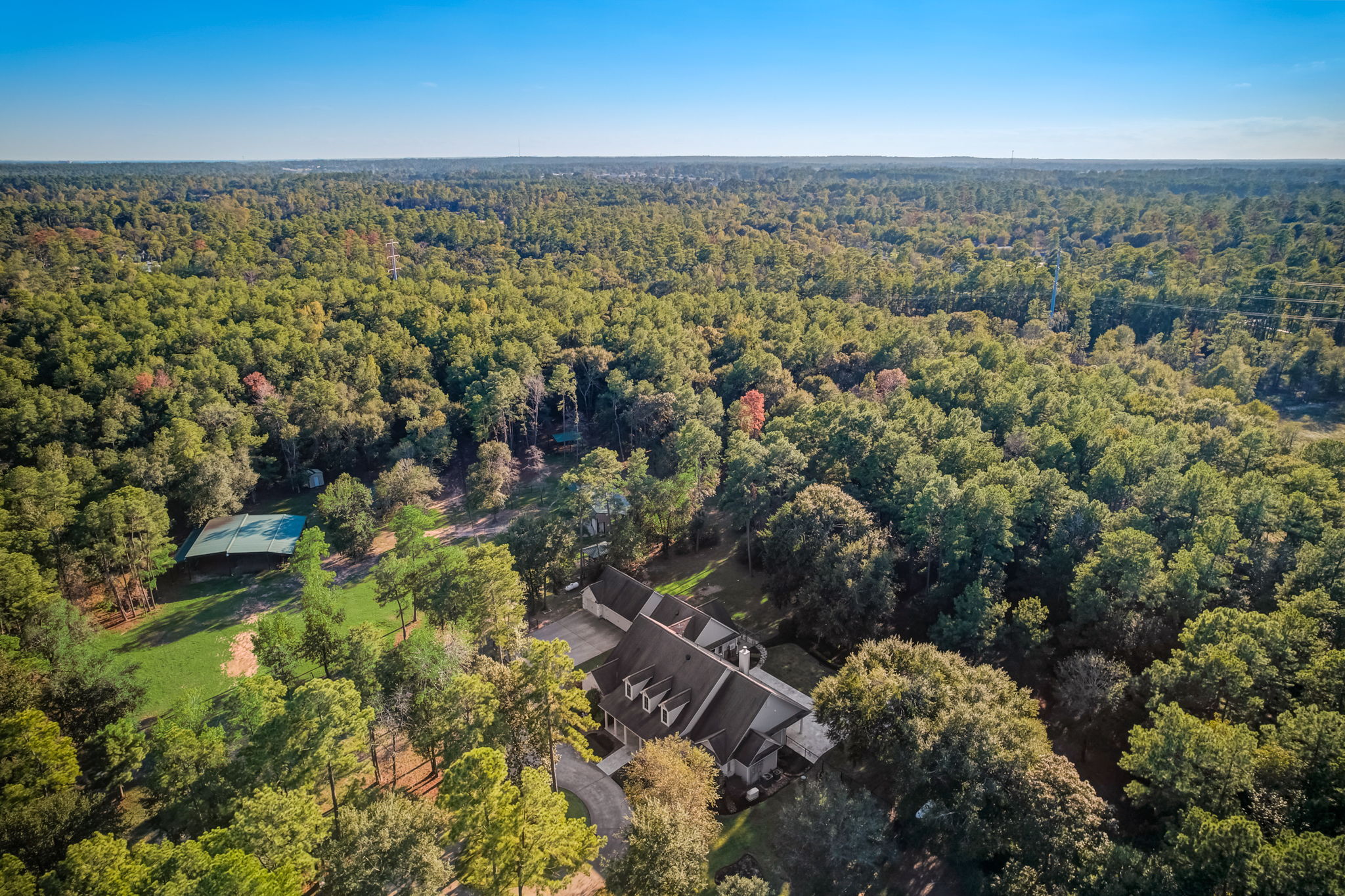
Magnolia, Texas occupies Montgomery County’s southern edge where the Houston metro exurban sprawl meets genuine ranch and equestrian country. The SH 249 corridor through Magnolia connects communities like Dobbin and Plantersville to the north with Tomball and the Cypress zone to the south — creating a land-use transition zone where five-acre horse properties sit across the road from newer residential developments. Property owners throughout this Magnolia corridor deal with the same coastal prairie clay challenges as the Cypress and Hockley markets, but with the added dimension of Montgomery County’s higher rainfall variability and the density of equestrian facilities that makes specialized turf applications a routine part of the local outdoor property landscape.
Turf Installation of Cypress serves Magnolia with the same ranch-edge and equestrian planning orientation that defines the Hockley and Waller markets. Natural grass fails in Magnolia for predictable reasons: clay soil that alternates between saturation and cracking, summer heat that pushes dormancy before August ends, shade from mature pine and hardwood canopy on Montgomery County lots, and working-use outdoor areas where hoof and foot traffic eliminates grass faster than any irrigation program can restore it. The solution in each case starts with understanding what the site actually presents before any scope is written.
Dobbin-Plantersville Corridor: Acreage Properties North of Magnolia
The Dobbin and Plantersville zones north of Magnolia represent the purest ranch-country character in the Turf Installation of Cypress service area. Properties here run on private well and septic, keep horses and cattle as routine management, and have land-use patterns that mix ornamental residence areas with working agricultural functions. The SH 249 corridor through this zone is a genuine equestrian highway — boarding facilities, training operations, and private equestrian estates line the road north from Magnolia toward Plantersville.
For acreage properties in the Dobbin-Plantersville corridor, Turf Installation of Cypress approaches scope with a working-ranch context in mind. Drain field location is confirmed before base excavation begins. Access routes to work zones on properties with active livestock and long driveways are mapped during the initial site visit. Material specification for equestrian-contact zones — paddock gate entries, barn-aisle sections, wash rack surrounds — uses heavier backing and firmer infill than ornamental residential applications on the same property.
Montgomery County properties north of Magnolia can also have steeper topographic variation than the flat coastal prairie of Harris County. Grade breaks, swales, and creek tributary corridors require drainage planning that accounts for slope and flow direction rather than assuming flat site conditions. Turf Installation of Cypress reviews topographic variation during site assessment to avoid base and drainage conflicts mid-installation.
Magnolia Residential: SH 249 Corridor Subdivisions and Estate Lots
Along SH 249 between Magnolia and Tomball, the residential market ranges from smaller conventional subdivisions to custom estate lots on one to three acres. These properties share the clay soil drainage challenges of the broader northwest Houston region but often have additional tree canopy from mature Montgomery County hardwoods — creating shaded zones where natural grass consistently fails regardless of irrigation input.
For Magnolia residential projects, the most common project drivers are shaded zone failures, pet-use backyard damage on larger lots, and front-yard conversions where St. Augustine has been struggling despite repeated reseeding attempts. Each of these scenarios gets a site-specific assessment rather than a generic scope.
Shaded zone applications in Magnolia get turf specifications matched to low-sunlight conditions — blade orientation and pile height are reviewed relative to expected sun exposure so the finished surface maintains appearance without the sun-dependent recovery that natural grass requires. Pet applications get backing drainage and infill selections appropriate to the number of animals and the cleaning management the property owner can realistically maintain.
Equestrian Properties Along FM 1488 and Keefer Road
The FM 1488 corridor west of Magnolia and the Keefer Road zone represent equestrian estate country where the Magnolia market transitions toward Waller County’s agricultural character. Properties here often feature formal arena infrastructure, covered stall operations, and substantial equipment-accessible outdoor areas. These are not casual horse properties — they are working equestrian facilities with daily schedule demands that shape when installation work can happen and which zones need to remain operational throughout a project.
For these FM 1488 corridor equestrian properties, Turf Installation of Cypress coordinates scheduling around horse management routines. Morning feeding and turnout patterns define which zones are accessible when. Stall rows that remain occupied during installation need work zone separation. Trailer access and equipment movement schedules affect staging placement and daily material delivery.
Equestrian facility applications in this corridor frequently include arena side lanes and observation areas, covered cross-tie sections, and formal barn entry approaches where first-impression appearance matters alongside functional footing performance. Material selection for these applications is reviewed to balance aesthetic finish and load durability — not every zone in an equestrian facility needs the same turf specification.
Installation Planning for Magnolia Properties
Every Magnolia project begins with a site visit that maps existing drainage patterns, topographic variation, irrigation infrastructure, root system locations where applicable, and any access constraints specific to the property. For acreage properties, staging access routes and material drop zones are confirmed before installation day. For equestrian properties, the site visit includes a review of which zones must remain operational and when crew access is available around daily horse management.
Scope documentation for Magnolia projects identifies base work requirements, drainage routing, turf system specification by zone, edge treatment, and sequencing plan. Final walkthrough covers drainage flow confirmation, care guidance matched to the application type, and notes on high-traffic zone inspection for the first seasonal cycle.
Magnolia Regional Service Connection
From Magnolia, Turf Installation of Cypress serves the full northwest Houston region: Cypress, Jersey Village, Tomball, Spring, Hockley, Waller, Katy, Brookshire, Pinehurst, Hempstead, Prairie View, and Northwest Houston. Magnolia’s position on SH 249 places it at the northern end of the Tomball-Cypress service corridor, making it a natural gateway to Montgomery County and the Plantersville rural zone beyond.
Why Clients in Magnolia Choose This Approach
- Dobbin-Plantersville corridor equestrian estate planning with drain field mapping
- Montgomery County topographic review for grade breaks and creek corridor drainage
- Shaded zone turf specification for pine and hardwood canopy Montgomery County lots
- FM 1488 equestrian facility scheduling around daily horse management routines
- Application-specific material selection: equestrian zones versus ornamental yard areas
- Access planning for active livestock properties with long setbacks and gate constraints
- Regional connection to Tomball, Hockley, and the full northwest Houston corridor
Nearby Areas Coverage
Services Offered
Frequently Asked Questions
Do you serve equestrian properties in the Dobbin-Plantersville corridor north of Magnolia?
Yes. We serve acreage equestrian estates north of Magnolia including properties in the Plantersville corridor with well and septic infrastructure. Drain field mapping and equestrian zone material specification are standard planning steps for these sites.
How do you handle topographic variation on Montgomery County acreage lots near Magnolia?
Topographic variation is reviewed during site assessment, including grade breaks, swales, and creek corridor drainage paths. Base preparation and drainage routing are planned around actual site topography before any material is placed.
Can you install turf in shaded zones under Magnolia's pine and hardwood canopy?
Yes. Shaded zone applications get turf specifications matched to low-sunlight conditions. Synthetic turf performs consistently in shade where natural grass fails regardless of irrigation input.
How is scheduling handled around horse management routines on FM 1488 equestrian properties?
Installation sequencing is planned around morning feeding and turnout routines, stall occupancy, and trailer access schedules so crew work does not conflict with daily horse management.
Do you handle new acreage estate properties in Magnolia with no existing landscape infrastructure?
Yes. Site assessment covers existing soil condition, drainage patterns, and access routes. Scope is phased by priority zone based on site readiness and access for each installation sequence.