
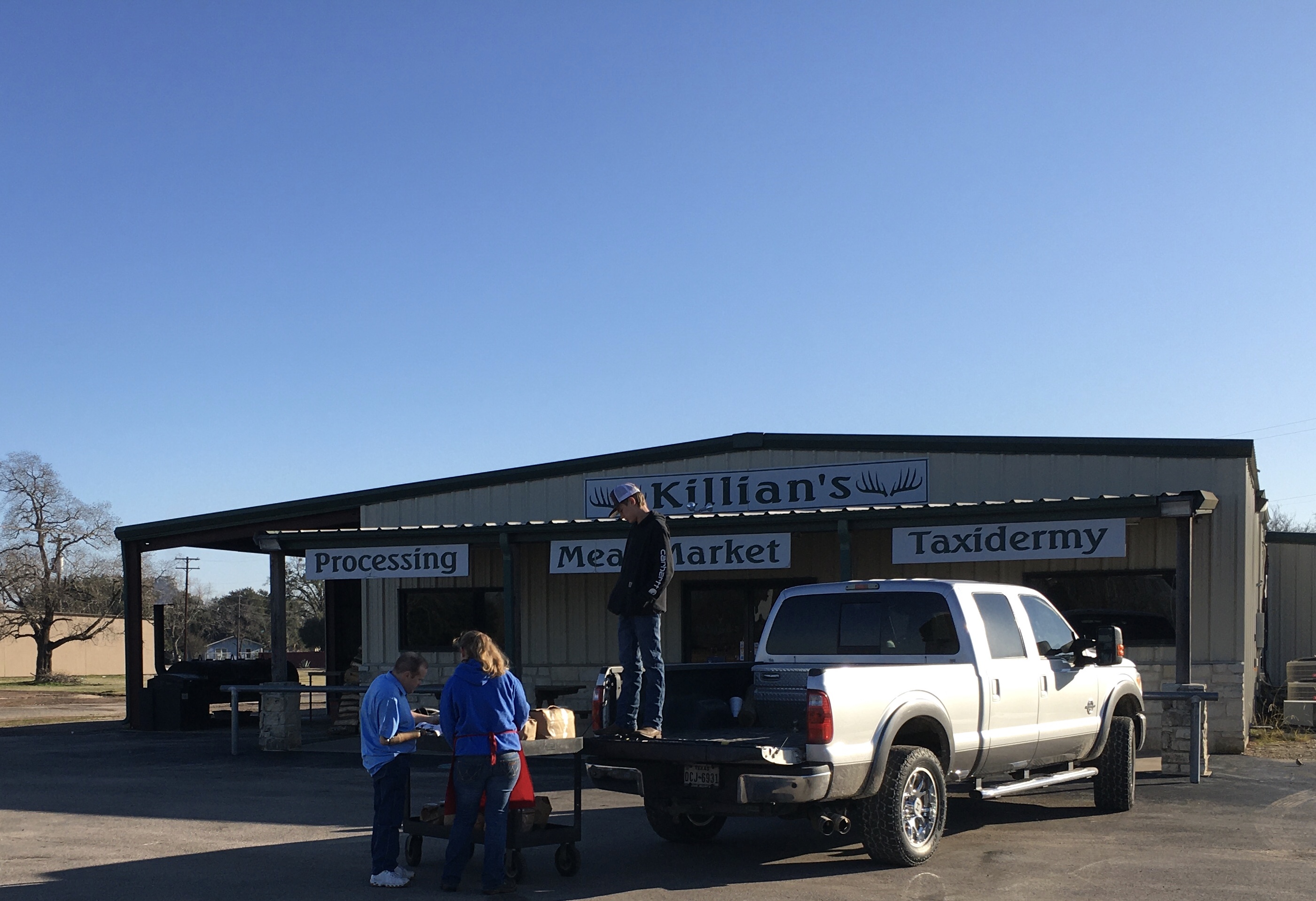
Location Overview
Hempstead and Waller County’s Blackland Prairie Context
Hempstead, Texas is the Waller County seat and the commercial hub for a ranch and agricultural county that stretches west from the Houston exurban edge toward the Brazos River bottomland. Properties in and around Hempstead deal with the heaviest clay soil profiles in the northwest Houston service region — Waller County’s blackland and coastal prairie clay holds water longer, expands and contracts more dramatically with seasonal moisture change, and presents more challenge for synthetic turf base preparation than the lighter clay profiles of Harris County to the east.
Turf Installation of Cypress serves Hempstead as the western anchor of the northwest Houston service corridor. Ranch estates along FM 1887, acreage properties off US-290, and commercial facilities at Hempstead’s US-290 and SH 6 intersection all fall within the service range. The common thread across Hempstead projects is blackland clay that requires drainage-first base planning, combined with working outdoor use patterns that eliminate natural grass in high-traffic zones well before drought has a chance to finish it off.
Blackland Clay: What Changes About Installation
The blackland prairie clay that underlies most of Waller County is a different installation environment than the coastal prairie clay of Harris County. Blackland clay has higher shrink-swell ratio — meaning it expands significantly when saturated and contracts dramatically when dry. A base installed to standard coastal clay specifications on a blackland site will shift more noticeably through seasonal cycles, creating uneven surfaces that develop visible dips and turf ridges over time.
For Hempstead projects on blackland clay, Turf Installation of Cypress adjusts base preparation to account for higher clay content and greater moisture-driven expansion. Subgrade compaction is evaluated at measured depth rather than assumed from surface conditions. Drainage aggregate selection and thickness are calibrated for the moisture retention characteristics of the specific soil profile encountered on each site. These are not optional steps — they are what makes a Hempstead turf installation perform correctly through a full seasonal cycle.
Drainage routing on Hempstead properties requires particular attention because the slow-draining blackland clay profile means surface water must have a clearly defined exit path. Perforated backing that releases water into saturated clay beneath is not an adequate drainage solution in this soil environment. Site drainage is planned to route finished surface water to actual outflows — existing French drain infrastructure, natural grade toward drainage swales, or engineered outfall if the site requires it.
Hempstead Ranch Estates and Agricultural Properties
The ranch and agricultural properties in Waller County around Hempstead include cattle operations, equestrian facilities, and mixed agricultural estates that generate specific turf inquiries. Gate entry approaches on cattle and horse operations are among the most common — the compacted clay at a ranch gate entry becomes an impassable mud trap in wet periods and a bare, cracked surface in dry ones. Synthetic turf at these entries provides a permanent footing solution that ends the maintenance cycle.
Barn approaches and paddock perimeter strips around Hempstead equestrian properties have the same working-use requirements as Hockley and Waller equestrian applications. Heavy backing specification, deeper anchoring, and drainage base planning that addresses livestock moisture exposure are all part of the material and installation approach. Turf Installation of Cypress reviews each application zone on Hempstead ranch properties individually rather than applying a single specification across all areas.
Hempstead properties on private well and septic follow the same front-of-project planning protocol used across the northwest Houston acreage market: drain field locations are confirmed before base excavation begins, irrigation system mapping is completed for zones adjacent to planned turf areas, and access staging routes are reviewed during the initial site visit.
US-290 Corridor Commercial Applications
Hempstead’s position on US-290 makes it a commercial hub for Waller County. Gas stations, feed stores, agricultural supply businesses, and the commercial properties clustered at the US-290 and SH 6 intersection all generate commercial turf inquiries for entrance zones, employee areas, and commercial landscaping where natural grass maintenance has become unreliable or cost-prohibitive.
Commercial turf applications along the US-290 corridor in Hempstead receive the same drainage-priority planning as residential ranch applications, with material specification upgraded to commercial-use standards. Heavy foot traffic from commercial operations, vehicle access near turf edges, and the need for consistent appearance regardless of seasonal conditions are all addressed in scope documentation before any work begins.
Operating-hours scheduling is coordinated with commercial Hempstead clients to minimize disruption to business activity during installation. Access routes for commercial properties with active vehicle traffic require staging planning that keeps work zones clear of customer and delivery access during operating windows.
Residential Hempstead: Town Lots and Acreage
Hempstead has a residential market that ranges from standard town lots in established neighborhoods to large acreage estates on the county roads outside the city limits. Town-lot residential projects in Hempstead deal with conventional suburban turf challenges — heavy clay drainage, shade from mature trees, pet-damaged backyard zones — and are scoped with the same site-specific drainage planning that applies to all Hempstead properties.
Acreage residential properties outside Hempstead city limits often present a mix of ornamental yard space adjacent to the residence and working outdoor areas further from the main structure. These properties typically operate on private well and septic. Scope is reviewed zone by zone to match material specification to each area’s actual use — ornamental residential specification near the house, heavier agricultural specification in working zones.
Service from Hempstead Across the Western Corridor
From Hempstead, Turf Installation of Cypress covers the full northwest Houston and western Waller County region: Cypress, Jersey Village, Tomball, Spring, Hockley, Waller, Katy, Brookshire, Pinehurst, Magnolia, Prairie View, and Northwest Houston. Hempstead’s US-290 position makes it the western routing anchor for projects moving between Houston metro and the deeper Waller County agricultural zone.
Why Clients in Hempstead Choose This Approach
- Blackland clay base preparation with shrink-swell calibrated compaction and drainage
- Ranch gate entry, barn approach, and paddock perimeter equestrian applications
- Commercial US-290 corridor turf with operating-hours scheduling coordination
- Well-and-septic property protocols: drain field mapping before excavation on every Hempstead acreage site
- Surface drainage routing to defined outflows on slow-draining Waller County clay sites
- Zone-by-zone material specification for mixed ornamental and working-use ranch properties
- Western corridor coverage from Hempstead into Prairie View and deep Waller County
Nearby Areas Coverage
Services Offered
Frequently Asked Questions
How does blackland clay in Hempstead change your base preparation approach?
Blackland clay has a higher shrink-swell ratio than coastal prairie clay. We adjust subgrade compaction depth and drainage aggregate selection based on the specific clay profile measured at each Hempstead site rather than applying a standard regional specification.
Do you handle ranch gate entries and barn approaches on Hempstead agricultural properties?
Yes. Gate entries and barn approaches are some of the most common applications on Hempstead ranch properties. These zones get heavier backing specification and drainage base planning appropriate for livestock moisture exposure.
Can you install turf for commercial properties along US-290 in Hempstead?
Yes. Commercial US-290 corridor projects receive commercial-specification turf and operating-hours scheduling coordination to minimize disruption to business activity during installation.
Do you serve well-and-septic acreage properties outside Hempstead city limits?
Yes. Rural acreage properties outside Hempstead city limits receive standard well-and-septic planning protocols: drain field mapping before excavation, irrigation system mapping, and staged access review before installation begins.
How is surface drainage handled on flat Hempstead clay lots?
Surface drainage is routed to defined exits — existing French drains, grade-based swales, or engineered outfall — before any base material is placed. Perforated backing alone is not adequate on heavy blackland clay that retains water at depth.